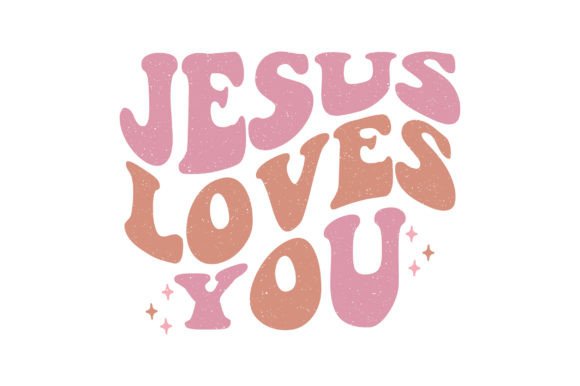
FREE Jesus Loves You
As an embroidery designer and product reviewer, I often find myself evaluating new designs with a critical eye—especially when they’re meant for real-world use. FREE Jesus Loves You is one such design that deserves a closer look, not just for its message but for how it translates into actual embroidery projects. Whether you're crafting for a small business, a handmade shop, or personal use, this design has potential—but it also comes with considerations that every embroiderer should be aware of.
The First Impression: A Simple Message with Emotional Weight
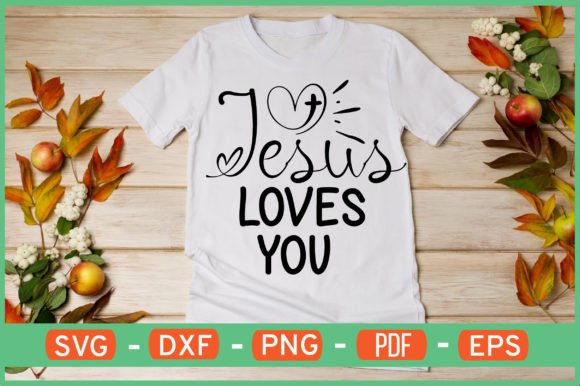
FREE Jesus Loves You immediately conveys a sense of warmth and sincerity. The layout is clean, the text is legible, and the overall design feels approachable. It’s not overly ornate, which makes it versatile, but it also lacks intricate details that might appeal to those looking for more complex patterns. The visual personality is straightforward, making it ideal for projects that prioritize clarity over embellishment.
This design seems to belong naturally on custom apparel, baby items, or personalized gifts. Its simplicity allows it to blend well with a variety of fabrics and color schemes, but it also requires careful consideration when it comes to execution. A poorly executed version could lose the emotional impact of the message.
Real-World Embroidery Performance: Where It Shines and Where It Needs Attention
When testing FREE Jesus Loves You on different materials, the design holds up well on most standard fabrics. However, there are some scenarios where it may not perform as expected. For instance, on thin or stretchy fabrics, the stitch density can cause puckering or distortion if not stabilized properly. This is especially important for baby clothes or delicate garments where comfort and durability matter.
On dark fabrics, the design benefits from high-contrast thread colors. Using a light-colored thread on a dark background can make the text pop, while a darker thread on a light fabric may appear too subtle. Testing the design in black and white mockups helps determine how it will look in different contexts.
For larger projects like tote bags or sweatshirts, the design works well. But on smaller items like caps or patches, the lettering can become cramped, especially if the hoop size is limited. In such cases, adjusting the scale or choosing a simpler font might be necessary to maintain readability.
Where to Use It Carefully: Practical Considerations
FREE Jesus Loves You isn’t suited for every embroidery project. On textured fabrics, such as denim or canvas, the design may not sit flat, leading to uneven stitching. Similarly, on curved surfaces like caps or hats, the design can stretch or distort if not properly hooped and stabilized.
Dense stitch areas, such as large fill stitches, can cause the fabric to pucker or the threads to break. If the design includes decorative accents, these should be reviewed for compatibility with the chosen fabric type. Tiny lettering or detailed corners may require extra attention during the stitching process to ensure clarity and precision.
For commercial use, it's essential to confirm licensing terms before selling finished products or digital files. While the design is free, the rights to use it commercially may vary depending on the source. Always double-check before incorporating it into your craft business or Etsy listings.
Impact on Visual Appeal and Customer Perception
FREE Jesus Loves You has the potential to elevate the visual appeal of a handmade product. Its clean lines and clear message can add a touch of personality to custom apparel, baby items, or holiday gifts. When executed well, it can enhance the perceived value of a product, especially in niche markets where sentimentality plays a role.
From a customer perspective, the design can evoke a sense of trust and authenticity. People often gravitate toward meaningful messages, and a well-stitched version of this design can feel like a thoughtful, personalized gift. It also supports brand consistency for businesses that want to convey a specific message through their merchandise.
However, poor execution can have the opposite effect. If the design is blurry, misaligned, or poorly stitched, it can detract from the overall quality of the finished product. This is why testing the design on scrap fabric before using it on a final item is always a good idea.
Practical Designer Notes: How to Get the Best Results
Before using FREE Jesus Loves You in any project, test it on a scrap piece of fabric. This helps identify any issues with stitch density, thread color contrast, or stabilizer requirements. For best results, use a proper stabilizer, especially on lightweight or stretchy fabrics.
If the design is intended for both personal and commercial use, make sure it meets the necessary licensing criteria. For digital product sellers, check whether the file format is compatible with your embroidery machine and software.
When creating printable mockups or digital product previews, ensure that the design looks good in different sizes and backgrounds. This helps potential buyers visualize how the design will appear on their own items.
Finally, consider how the design will fit into your overall product line. Whether it's for a boutique brand, a craft fair booth, or an Etsy shop, FREE Jesus Loves You can be a valuable addition if used thoughtfully and professionally.
Conclusion: A Design That Requires Intentional Use
FREE Jesus Loves You is a simple yet powerful design that can work well in a variety of embroidery projects. Its clean layout and meaningful message make it suitable for custom apparel, baby items, and personalized gifts. However, it’s not a one-size-fits-all solution. Success with this design depends on factors like fabric type, hoop size, stitch density, and proper stabilizer use.
For embroidery designers, small business owners, and crafters, this design offers an opportunity to create something heartfelt and meaningful. With the right approach, it can enhance the value and appeal of your handmade products, making it a worthwhile addition to your design library.