Let God Svg and Crafts in Design
As a graphic designer with years of experience working on branding, packaging, and digital assets, I’ve come across countless design elements that claim to elevate a project. Let God Svg is one such asset that caught my attention for its unique visual appeal and potential in creative projects. When considering a design asset for client work, I always look for versatility, clarity, and emotional resonance—qualities that Let God Svg delivers in a way that feels both meaningful and professional.
First Impressions: A Mood of Devotion and Artistry
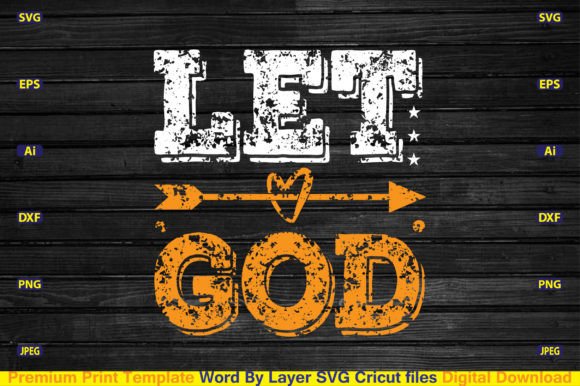
From the first glance, Let God Svg exudes a sense of reverence and artistic expression. The design features clean lines, elegant typography, and a subtle yet impactful aesthetic that feels both modern and timeless. It’s not just an SVG; it’s a visual statement that can set the tone for a project centered around faith, inspiration, or handmade craftsmanship. The style leans toward a soft, handcrafted feel that works well with artisanal brands, seasonal campaigns, or boutique product lines.
This kind of design asset is ideal for clients looking to infuse their brand with a personal touch. Whether it’s for a small business, an Etsy shop, or a local event, Let God Svg offers a way to communicate values without being overtly religious. It’s a subtle but powerful tool that can enhance the visual mood of a project while maintaining a level of professionalism.
Real-World Applications: From Brand Identity to Print-On-Demand
In real design situations, Let God Svg proves to be a versatile addition to any creative toolkit. For logo design, it can serve as a central emblem or a complementary element that adds depth to a brand’s visual identity. In packaging design, it can appear as a decorative accent or a focal point on product labels, especially for handmade or artisanal items.
For social media graphics, Let God Svg can be used as a background element or a header image that aligns with a campaign’s theme. In editorial design, it can add a touch of elegance to magazine spreads, blog visuals, or print materials. When integrated into Canva templates or Cricut projects, it becomes a valuable resource for content creators and DIY enthusiasts looking to add a custom feel to their designs.
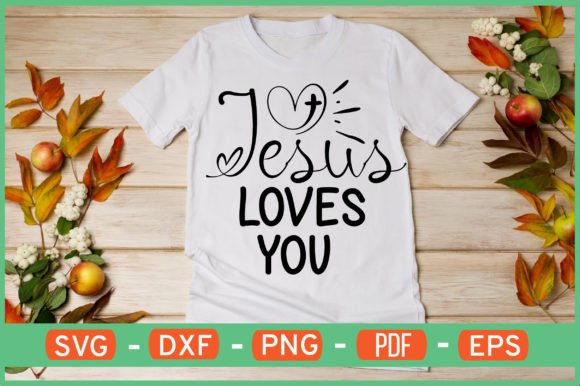
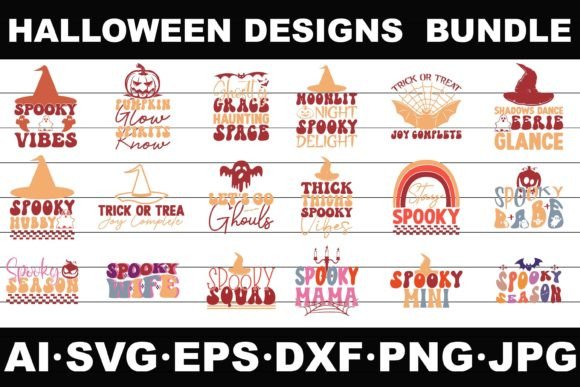
It also shines in printable designs, such as wall art, stickers, or t-shirt designs. Its vector format ensures crispness at any size, making it suitable for sublimation design, product mockups, and digital ads. For print-on-demand sellers, this asset could be part of a design bundle that appeals to niche markets interested in spiritual or inspirational themes.
Where It Excels: Large Layouts and Themed Campaigns
Let God Svg performs best in large layout areas where its details can be fully appreciated. It works exceptionally well as a hero graphic for website banners, posters, or campaign visuals. When used in themed collections, it can help create a cohesive look that reinforces a brand’s message or a specific event’s atmosphere.
As a decorative accent, it adds a refined touch to packaging details, invitations, or promotional materials. In commercial design, it can support a brand’s storytelling by reinforcing the emotional connection between the audience and the product. For handmade businesses or small business branding, this asset offers a way to stand out while maintaining a polished, professional appearance.
Where to Use It Carefully: Minimalist and Corporate Projects
While Let God Svg has a lot to offer, it’s important to consider where it might not fit. In minimalist branding or corporate design, where simplicity and clarity are key, this asset could overwhelm the visual hierarchy. Its intricate details may not translate well in low-contrast or crowded layouts, where clarity is essential.
For projects that require a very clean visual language, such as professional corporate materials or high-end fashion branding, Let God Svg may not be the best choice. It’s better suited for creative markets that value emotional engagement and artistic expression over stark minimalism.
Design Considerations: Testing and Practical Checks
Before using Let God Svg for a client project, there are several practical steps every designer should take. First, test it in black and white to see how it holds up without color. Check contrast on both light and dark backgrounds to ensure visibility and readability. Preview it at various sizes to confirm that it remains sharp and legible at smaller dimensions.
Place it on real mockups to see how it integrates with other design elements. Test print quality if it’s intended for physical use, and review file formats to make sure they meet the project’s requirements. If PNG transparency is included, inspect it closely to avoid unexpected results. For SVG or vector files, verify that they are editable and scalable without loss of quality.
Compare it with different font styles—serif, sans serif, script, and display fonts—to see how it interacts with text. This helps determine whether it works best as a standalone graphic or as a complement to typography. Always confirm the commercial license before using it for a client or business project to avoid legal issues.
Why It Matters: Emotional Appeal and Brand Trust
Let God Svg isn’t just a design element; it’s a tool that can influence the emotional appeal of a project. When used thoughtfully, it can enhance brand consistency, build visual trust, and strengthen audience engagement. For small businesses or handmade brands, this kind of asset can make a significant difference in how a product is perceived and received.
In the creative marketplace, where competition is fierce, having access to high-quality design assets like Let God Svg can give designers and small business owners a competitive edge. It allows them to produce visually compelling work that resonates with their target audience while maintaining a level of professionalism that reflects their brand’s values.